
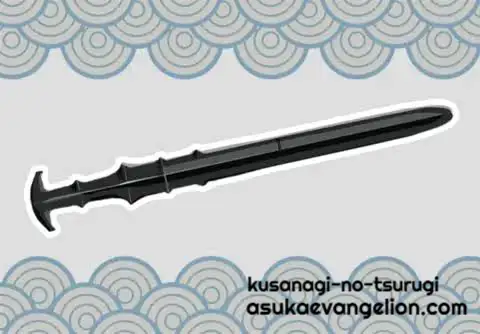
Introduction kusanagi-no-tsurugi
You have probably heard whispers of a sword so powerful that it once saved a hero’s life and became a symbol of an entire nation. That sword is Kusanagi-no-Tsurugi, and its story is far richer than most people realize. Kusanagi-no-Tsurugi is one of Japan’s most treasured legendary weapons, tied directly to the imperial family and ancient Shinto mythology. In this article, you will learn what Kusanagi-no-Tsurugi actually is, who found it, why people call it the grass cutting sword, and where it rests today. You will also see how Kusanagi-no-Tsurugi compares to another famous legendary blade, King Arthur’s Excalibur. By the end, you will understand why Kusanagi-no-Tsurugi still matters in modern Japan, centuries after its story began. Let us dive straight into the legend.
What Is Kusanagi-no-Tsurugi?
Kusanagi-no-Tsurugi is a sacred Japanese sword described in ancient texts as one of the Three Sacred Treasures of the Japanese imperial family. The name Kusanagi-no-Tsurugi roughly translates to grass cutting sword, and it appears in Japan’s oldest historical records, including the Kojiki and the Nihon Shoki. Kusanagi-no-Tsurugi is not just a weapon in these stories. It represents divine authority, courage, and the right to rule Japan.
Unlike ordinary swords found in museums, Kusanagi-no-Tsurugi exists mostly in myth and religious tradition. Few people, if any, have seen the actual blade in modern times. Priests at its shrine guard it carefully, and its true physical form remains a mystery even today. This mystery is part of what makes Kusanagi-no-Tsurugi so fascinating to historians, mythology fans, and casual readers alike.
The Origin Of Kusanagi-no-Tsurugi: A Timeline
To understand Kusanagi-no-Tsurugi fully, you need to see how its story unfolds across Japanese mythology. Here is a simple timeline.
- The Battle With The Serpent: The storm god Susanoo defeats an eight headed serpent named Yamata no Orochi. Inside the serpent’s tail, Susanoo discovers Kusanagi-no-Tsurugi.
- The Gift To The Sun Goddess: Susanoo gives Kusanagi-no-Tsurugi to his sister Amaterasu, the sun goddess, as an apology gift after earlier conflicts between them.
- Passed Down To The Imperial Line: Amaterasu later gives the sword to her grandson, who eventually becomes tied to the founding of the Japanese imperial family.
- Yamato Takeru’s Legendary Rescue: Centuries later, the legendary hero Yamato Takeru uses Kusanagi-no-Tsurugi to survive a deadly grass fire trap, cementing the sword’s fame.
- Enshrinement At Atsuta Shrine: After Yamato Takeru’s death, Kusanagi-no-Tsurugi is eventually enshrined at Atsuta Shrine, where tradition says it remains today.
This timeline shows how Kusanagi-no-Tsurugi moves from a monster’s tail to the hands of gods, and finally into the story of a mortal hero.
source: katana.store
Who Discovered Kusanagi-no-Tsurugi?
The god Susanoo discovered Kusanagi-no-Tsurugi. According to Japanese mythology, Susanoo battled the fearsome eight headed serpent Yamata no Orochi to protect a family from being devoured. After cutting through the serpent’s body, Susanoo’s blade struck something hard inside one of the tails. When he investigated, he found Kusanagi-no-Tsurugi hidden within the serpent.
Susanoo did not keep Kusanagi-no-Tsurugi for himself. He presented it to Amaterasu, the sun goddess, as a peace offering. This moment matters a lot because it links Kusanagi-no-Tsurugi directly to the sun goddess, who is considered the ancestor of Japan’s imperial line. From this point forward, Kusanagi-no-Tsurugi becomes more than a weapon. It becomes a symbol of divine approval passed down through generations.
Why Is Kusanagi Called The Grass Cutting Sword?
Many readers ask why people call it the grass cutting sword, and the answer comes from one dramatic story involving Yamato Takeru. During a military campaign, enemies trapped Yamato Takeru in a field and set the grass on fire around him. With no clear escape, Yamato Takeru used Kusanagi-no-Tsurugi to cut through the burning grass and clear a path to safety.
Some versions of the legend say the sword also controlled wind, which helped push the flames away from Yamato Takeru. After this event, people started calling the blade Kusanagi-no-Tsurugi, meaning grass cutting sword, instead of its earlier name. This story is one reason Kusanagi-no-Tsurugi became associated with protection and survival rather than pure destruction.
I find this part of the legend especially interesting because it shows the sword saving a life rather than simply ending one. That shift in meaning helped Kusanagi-no-Tsurugi grow into a symbol of protection for the entire nation.
Susanoo, Yamato Takeru, And The Three Sacred Treasures
Kusanagi-no-Tsurugi cannot be separated from three key elements of Japanese mythology.
Susanoo is the storm god who first discovers Kusanagi-no-Tsurugi inside the serpent Yamata no Orochi. His act of giving the sword to Amaterasu starts its journey toward the imperial family.
Yamato Takeru is the legendary prince who uses Kusanagi-no-Tsurugi to survive the grass fire ambush. His bravery gives the sword its lasting name and reputation.
The Three Sacred Treasures refer to Kusanagi-no-Tsurugi, the mirror Yata no Kagami, and the jewel Yasakani no Magatama. Together, these three items represent valor, wisdom, and benevolence. Japanese emperors traditionally receive these treasures during enthronement ceremonies, even though most people never see them directly.
Is Kusanagi-no-Tsurugi One Of Japan’s Imperial Regalia?
Yes, Kusanagi-no-Tsurugi is officially one of Japan’s Imperial Regalia, also known as the Three Sacred Treasures. Along with the sacred mirror and the sacred jewel, Kusanagi-no-Tsurugi symbolizes the legitimacy of the Japanese emperor. During enthronement ceremonies, these treasures play a central role, even though the public rarely sees them.
Kusanagi-no-Tsurugi is not treated as a display item like crown jewels in other countries. Instead, it holds deep religious meaning within Shinto belief. Many Japanese people view Kusanagi-no-Tsurugi as a spiritual object rather than a historical artifact meant for public viewing. This is part of what keeps its legend alive and mysterious.
Where Is Kusanagi-no-Tsurugi Kept?
Tradition holds that Kusanagi-no-Tsurugi is kept at Atsuta Shrine in Nagoya, Japan. This shrine has guarded the sword for centuries and remains one of the most important Shinto shrines in the country. However, a ceremonial replica of Kusanagi-no-Tsurugi is also kept at the Imperial Palace in Tokyo for use during royal ceremonies.
Access to the real Kusanagi-no-Tsurugi is extremely limited. Even Shinto priests who serve at Atsuta Shrine reportedly do not view the sword directly. This strict secrecy adds to the mystique surrounding Kusanagi-no-Tsurugi and keeps its exact condition unknown to historians and the public alike.
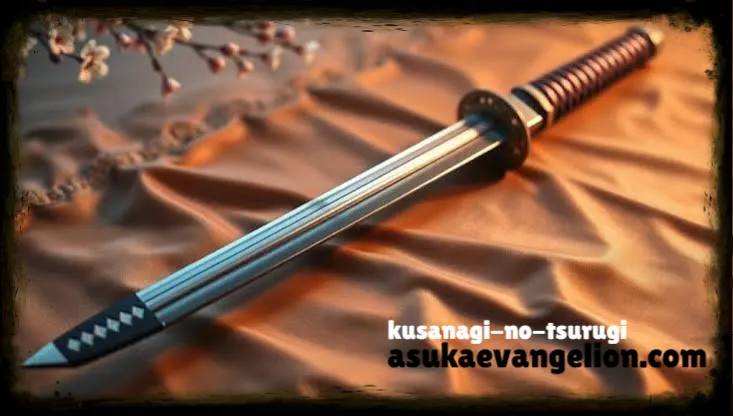
Kusanagi Vs Excalibur: A Legendary Comparison
You might naturally compare Kusanagi-no-Tsurugi to Excalibur, the legendary sword from British folklore. Both swords share similar cultural weight, yet they differ in important ways.
| Feature | Kusanagi-no-Tsurugi | Excalibur |
|---|---|---|
| Origin | Found inside a serpent by Susanoo | Given by the Lady of the Lake |
| Symbolism | Imperial legitimacy and protection | Royal authority and destiny |
| Current Location | Believed to be at Atsuta Shrine | Said to rest beneath a lake |
| Cultural Role | Part of Japan’s Three Sacred Treasures | Central to Arthurian legend |
| Public Visibility | Never publicly displayed | Exists only in legend, no physical relic |
Both Kusanagi-no-Tsurugi and Excalibur represent divine right and heroic destiny. However, Kusanagi-no-Tsurugi remains tied to an active religious and political institution, since Japan’s imperial family still uses it symbolically today. Excalibur, by contrast, lives purely in literature and folklore without any modern ceremonial role.
FAQs
What does Kusanagi-no-Tsurugi mean?
Kusanagi-no-Tsurugi means grass cutting sword, named after the moment Yamato Takeru used it to cut through burning grass and escape danger.
Is Kusanagi-no-Tsurugi real or just a myth?
Kusanagi-no-Tsurugi appears in Japanese mythology and religious tradition. Its physical existence is treated as fact within Shinto belief, though it is never shown publicly.
Can tourists see Kusanagi-no-Tsurugi at Atsuta Shrine?
No, tourists cannot see the real Kusanagi-no-Tsurugi. You can visit Atsuta Shrine and its grounds, but the sacred sword itself stays hidden from public view.
Why is Kusanagi-no-Tsurugi important to the Japanese emperor?
Kusanagi-no-Tsurugi is one of the Three Sacred Treasures used symbolically during enthronement ceremonies, representing the emperor’s legitimate right to rule.
Did Yamato Takeru own Kusanagi-no-Tsurugi forever?
No, Yamato Takeru used Kusanagi-no-Tsurugi during his lifetime, but the sword was eventually enshrined at Atsuta Shrine after his death.
Final Thoughts
Kusanagi-no-Tsurugi remains one of the most captivating legends in Japanese mythology. From its discovery inside a monstrous serpent to its role in saving Yamato Takeru’s life, Kusanagi-no-Tsurugi carries a story full of courage, divinity, and mystery. As one of the Three Sacred Treasures, Kusanagi-no-Tsurugi continues to symbolize the spiritual foundation of Japan’s imperial family, even though the actual blade stays hidden from public eyes at Atsuta Shrine.
Whether you compare it to Excalibur or study it purely through Shinto tradition, Kusanagi-no-Tsurugi shows how a single legendary object can shape a nation’s identity for thousands of years. What part of the Kusanagi-no-Tsurugi legend surprised you the most? Feel free to share your thoughts or pass this story along to someone who loves ancient myths as much as you do.
About The Author
Sara Khan is a history and mythology writer who enjoys exploring ancient legends from around the world. She focuses on making complex historical stories simple and enjoyable for everyday readers who love folklore, culture, and timeless myths.
asukaevangelion.com
Email: johanharwen314@gmail.com
Author Name: Sara Khan