Introduction
You probably noticed it the first time you watched anime. Those huge, glittering eyes that seem to hold an entire galaxy inside them. Anime eyes are not just a drawing style. They are a language of their own. A single glance from a character can tell you they are heartbroken, furious, or hopelessly in love, often without a single word.
If you have ever wondered why artists draw anime eyes so big and expressive, you are not alone. This question has crossed the mind of nearly every anime fan at some point. The truth is, anime eyes carry decades of artistic history, deep symbolism, and clever technique packed into a tiny part of the face.
In this article, we will walk through everything you need to know about anime eyes. You will learn where this style came from, what different eye shapes mean, how colors tell emotional stories, and even how you can draw anime eyes yourself. By the end, you will see anime characters in a completely new light.
History of Anime Eye Design
The story of anime eyes starts with one man: Osamu Tezuka. Often called the godfather of manga, Tezuka drew inspiration from early Disney films like Bambi and Snow White. He noticed how big, round eyes made characters feel more emotional and relatable. So he brought that idea into his own manga work in the 1950s and 1960s.
From there, anime eyes evolved fast. Studios wanted a way to show feeling without relying only on dialogue or expensive animation frames. Bigger eyes gave animators a shortcut to emotion. A slight widening or narrowing of anime eyes could instantly shift the entire mood of a scene.
By the 1980s and 1990s, anime eyes had become a defining feature of the medium. Different studios developed their own signature styles. Some leaned toward sparkling, doll like eyes. Others preferred sharper, more realistic shapes for action heavy series.
Why Big Eyes Became the Standard
You might ask why this exaggerated style stuck around for so long. A few reasons explain it well.
- Big anime eyes make it easier to convey subtle emotional shifts
- They create instant likability, especially for younger audiences
- They allow artists to skip detailed facial muscles and still show feeling
- They became a visual trademark that separated anime from Western cartoons
This history matters because it shows that anime eyes were never just a stylistic accident. They were a practical solution that turned into an art form.
Characteristics of Anime Eyes
Not all anime eyes look the same, but most share a few common traits. Once you know what to look for, you will spot these features in nearly every series you watch.
First, anime eyes are usually larger than realistic human eyes. This is intentional. Bigger eyes draw attention straight to the face and amplify emotional expression.
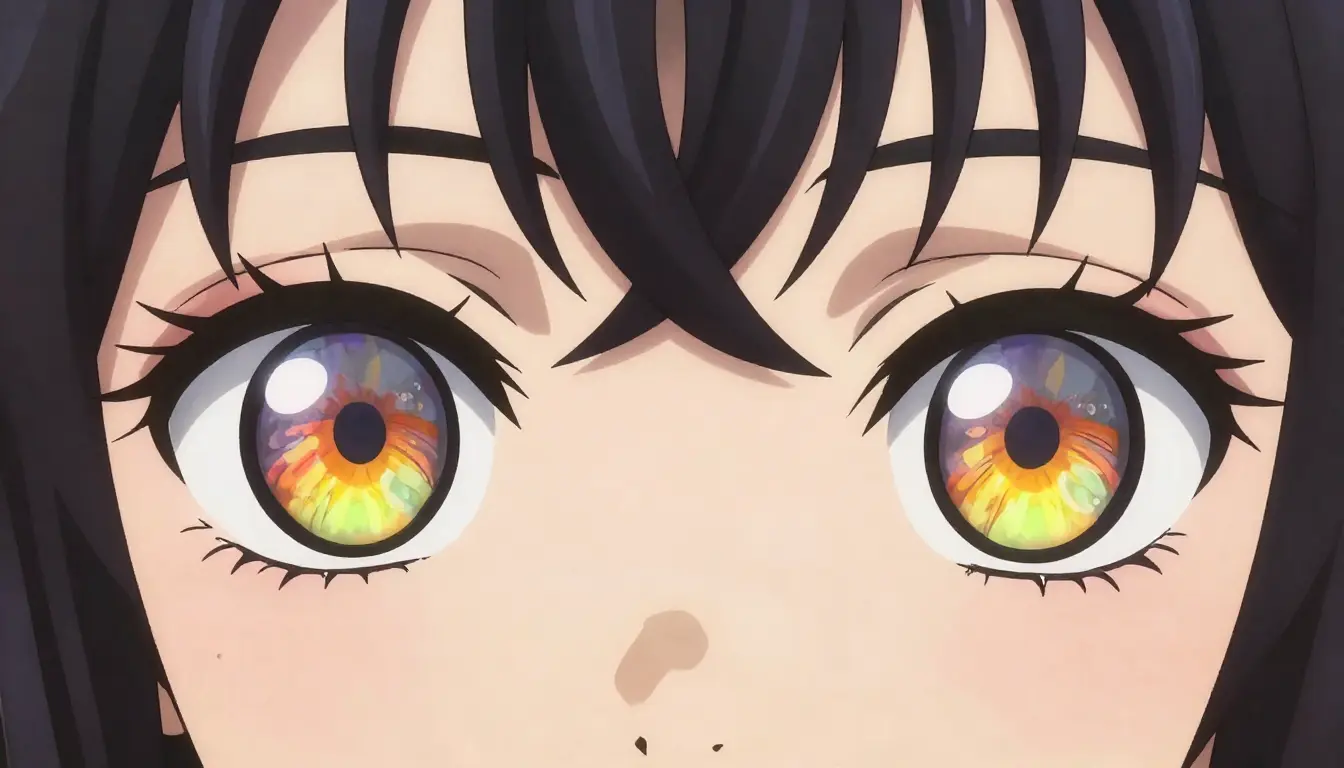
Second, anime eyes often include multiple layers of shading and highlights. You will notice small white dots or streaks inside the iris. These tiny details make the eyes look glossy and alive, almost like glass marbles catching light.
Third, the eyelashes and eyelid lines are simplified but bold. Instead of drawing every single lash, artists use a few thick strokes to suggest fullness.
Common Visual Elements
Here is a quick breakdown of what typically makes up anime eyes:
- A large iris that takes up most of the visible eye space
- Sharp or soft highlights to create depth and shine
- Bold outer eyeliner style lines for the upper lid
- Minimal or stylized lower lashes
- Color gradients inside the iris, often shifting from light to dark
These characteristics work together to give anime eyes their signature glossy, expressive look. Once you understand these building blocks, drawing or analyzing anime eyes becomes much easier.
Different Types of Anime Eyes
Anime is not a single style. It is a massive industry with countless genres, and anime eyes change depending on the tone of the story. Let’s look at the most common types you will run into.
Sparkly Shoujo Eyes
These are the eyes you see in romance and slice of life anime. Shoujo style anime eyes are large, round, and packed with sparkling highlights. They are designed to express softness, innocence, and deep emotion. Think of classic series where characters cry with giant glistening tears pooling in their eyes.
Sharp Shonen Eyes
Action and adventure series often use sharper, narrower anime eyes. This style suits intense battles and serious storylines. Characters in shonen anime tend to have more angular eye shapes that convey determination or aggression.
Simplified Chibi Eyes
Chibi style anime eyes are small, round, and often just simple dots or basic shapes. This style appears during comedic moments, even in serious shows, to highlight a funny or exaggerated reaction.
Realistic Anime Eyes
Some modern anime, especially psychological thrillers or seinen titles, use more realistic anime eyes. These have smaller irises, more natural shading, and fewer sparkles. This style creates a grounded, mature tone.
Villain Style Eyes
Villains often get distinct anime eyes too. Sharp, narrow shapes with sharp pupils, sometimes slitted like a cat or snake, instantly signal danger or cunning.
Each of these anime eyes styles serves a storytelling purpose. Artists choose the type carefully based on what mood they want to set.
Meaning Behind Anime Eye Colors
Here is something many casual viewers miss. Anime eye color is rarely random. Many studios and mangaka use specific colors to hint at a character’s personality, power, or backstory.
Common Color Meanings
- Blue eyes: Often represent calmness, intelligence, or a mysterious nature
- Red eyes: Usually signal danger, power, or a hidden dark side
- Green eyes: Commonly tied to nature, kindness, or healing abilities
- Purple eyes: Frequently used for mystical, royal, or otherworldly characters
- Gold or yellow eyes: Often suggest special powers, transformation, or divine status
- Heterochromia (two different colored eyes): A popular trope used to mark characters as unique, magical, or chosen
Color choice in anime eyes is also influenced by lighting and mood within a scene. A character’s eyes might appear to glow or shift color during an emotional climax or power awakening. This visual trick reinforces the story without extra dialogue.
I find this detail fascinating because it shows how much thought goes into something viewers might overlook. The next time you watch anime, pay attention to eye color changes. They are rarely there by accident.
How Anime Eyes Express Emotions
This might be the most impressive part of anime eyes. Because the style relies so heavily on exaggeration, artists use eyes as an emotional shortcut.
Wide Open Eyes
When anime eyes suddenly widen, it usually signals shock, fear, or surprise. The pupils might shrink too, adding intensity to the reaction.
Half Closed Eyes
Half closed anime eyes often convey suspicion, exhaustion, or seriousness. This subtle shift makes a character look more guarded or thoughtful.
Sparkling Eyes
When anime eyes fill with sparkles or light reflections, it usually shows admiration, excitement, or romantic interest. This is one of the most recognizable visual cues in the entire medium.
Shadowed Eyes
Sometimes an artist removes the shine and detail entirely, leaving anime eyes dark and shadowed. This technique signals anger, despair, or a complete emotional breakdown.
Streaming Tears
Crying scenes in anime often exaggerate tears pouring from the eyes in dramatic streams. This style choice amplifies sadness far beyond what realistic crying would show.
These emotional shortcuts work because audiences quickly learn the visual language. Once you watch enough anime, you instinctively understand what a character feels just from their eyes, even before dialogue starts.
Popular Anime Characters Known for Their Eyes
Some characters are remembered specifically because of their striking anime eyes. Let’s highlight a few standout examples across different genres.
- Sailor Moon: Her giant, sparkling anime eyes became an icon of the entire shoujo genre
- Levi Ackerman (Attack on Titan): Known for his sharp, narrow eyes that reflect his cold, focused personality
- Sasuke Uchiha (Naruto): His Sharingan eyes are one of the most recognizable anime eye designs in the industry
- Lelouch Lamperouge (Code Geass): His Geass eye effect is a perfect example of color and design tied directly to power
- Mikasa Ackerman: Her steady, intense gaze reflects strength and quiet determination
- Edward Elric (Fullmetal Alchemist): His golden eyes are tied closely to his fiery personality
These characters prove how powerful anime eyes can be as a storytelling tool. Fans often remember a character’s eyes long after forgetting smaller plot details.
How to Draw Anime Eyes
If you are an aspiring artist, learning to draw anime eyes is one of the best skills you can build. It might look intimidating, but breaking it into steps makes it manageable.
Step 1: Start With Basic Shapes
Begin with a simple oval or almond shape for the eye outline. This forms the foundation for anime eyes.
Step 2: Add the Iris and Pupil
Draw a large circle inside the eye shape for the iris. Anime eyes typically have a smaller pupil placed inside the iris, slightly off center for a natural look.
Step 3: Build the Eyelid Line
Add a bold curved line above the eye for the upper eyelid. This line is usually thicker than the rest of the eye outline.
Step 4: Add Highlights
This step makes anime eyes pop. Add one or two white highlights inside the iris. You can also add a soft gradient from the top of the iris to the bottom for depth.
Step 5: Draw Lashes
Keep lashes simple. A few bold strokes on the outer corner are usually enough for anime eyes to look polished.
Step 6: Shade and Refine
Add shading below the iris and around the eyelid crease. This final step gives anime eyes a more three dimensional, glossy finish.
Quick Tips for Beginners
- Practice different eye shapes before settling on one style
- Study reference images from your favorite anime
- Keep highlights consistent with your scene’s lighting
- Do not overcrowd the eye with too many details
With consistent practice, drawing anime eyes becomes second nature. Many professional artists started exactly where you are now, sketching basic shapes before developing their own unique style.
Common Mistakes When Drawing Anime Eyes
Even experienced artists slip up sometimes. Here are mistakes you should watch for when working on anime eyes.
Making Eyes Too Symmetrical
Real faces are not perfectly symmetrical, and neither are anime eyes. Slight variation between the two eyes often looks more natural.
Overusing Highlights
Too many highlights can make anime eyes look cluttered or unrealistic. Stick to one main light source for cleaner results.
Ignoring the Eye’s Placement on the Face
Anime eyes need to align with the rest of the facial structure. Eyes placed too high or too low can throw off the entire character design.
Forgetting Emotional Context
Anime eyes should match the scene. Drawing overly sparkly eyes during a sad or angry moment can confuse the visual storytelling.
Skipping Practice With Different Angles
Many beginners only practice front facing anime eyes. Side profiles and three quarter angles require different proportions and should be practiced separately.
Avoiding these mistakes early will save you a lot of frustration. I always tell beginner artists that mistakes are part of the process. Every artist who draws great anime eyes today once struggled with the same basics.
Why Anime Eyes Are So Popular
So why do anime eyes continue to capture global attention decades after their creation? A few key reasons stand out.
They Create Instant Emotional Connection
Big, expressive anime eyes make it easy for viewers to connect with characters quickly. You do not need dialogue to understand how someone feels.
They Offer Visual Variety
From sparkly shoujo eyes to sharp shonen designs, anime eyes allow endless creative variation. This keeps character designs fresh across thousands of series.
They Reflect Cultural Influence
Japanese visual culture, including traditional art and Disney inspired animation, shaped anime eyes into something globally recognizable yet uniquely Japanese.
They Support Cosplay and Fan Art Communities
Anime eyes have become central to cosplay makeup tutorials and fan art communities. Many fans specifically study how to recreate anime eyes using contact lenses, eyeliner techniques, and digital art tools.
They Symbolize Identity and Personality
As discussed earlier, anime eyes often reflect deeper personality traits or power levels. This adds layers of meaning that reward attentive viewers.
The popularity of anime eyes is not slowing down anytime soon. If anything, global interest in anime continues climbing, bringing even more attention to this iconic visual style.
Conclusion
Anime eyes are far more than a stylistic choice. They carry decades of artistic evolution, emotional storytelling, and cultural significance packed into a tiny part of the face. From their origins inspired by early Disney animation to their modern role in everything from action series to cosplay culture, anime eyes remain one of the most powerful tools in visual storytelling.
Whether you are a longtime anime fan, an aspiring artist, or someone just discovering this art form, understanding anime eyes gives you a deeper appreciation for the medium. The next time you watch your favorite series, pay close attention to how the characters’ eyes shift and shine. You might notice details you never caught before.
What is your favorite anime character known for their eyes? Share your thoughts in the comments, and feel free to pass this article along to a fellow anime fan who would enjoy learning more about anime eyes.
FAQs
Why are anime eyes drawn so big? Big anime eyes help artists show emotion clearly without relying on detailed facial muscles. This style was inspired by early Disney animation and became a defining trait of anime.
Do anime eye colors actually mean something? Yes. Many anime eye colors hint at personality traits or hidden powers. Red often suggests danger, blue suggests calmness, and purple often signals something mystical.
What is the easiest anime eye style to draw for beginners? Simple shoujo style anime eyes with basic highlights are usually the easiest starting point for beginners learning to draw anime eyes.
Why do some anime characters have different colored eyes? This trait, called heterochromia, is often used to mark a character as special, magical, or connected to a unique power or storyline.
What software do artists use to draw anime eyes digitally? Many artists use programs like Clip Studio Paint, Procreate, or Photoshop to draw and shade anime eyes digitally.
Are anime eyes based on real human anatomy? Not exactly. Anime eyes are stylized and exaggerated for emotional effect rather than strict anatomical accuracy.
Why do anime eyes sparkle so much in romantic scenes? Sparkling anime eyes are a visual shortcut used to show excitement, admiration, or romantic interest without needing extra dialogue.
Can I learn to draw anime eyes without formal art training? Yes. Many successful anime style artists are self taught. Consistent practice and studying reference images are the most effective ways to improve at drawing anime eyes.
About the Author
Maya Chen is a freelance illustrator and anime culture writer with over six years of experience covering Japanese animation, character design, and digital art tutorials. She has contributed to several art and pop culture blogs, helping beginner artists understand the techniques behind their favorite anime styles. When she is not writing, Maya is usually sketching character concepts or rewatching classic anime for inspiration.
Also read asukaevangelion.com
Email: johanharwen314@gmail.com
Author Name: Maya Chen