
Introduction
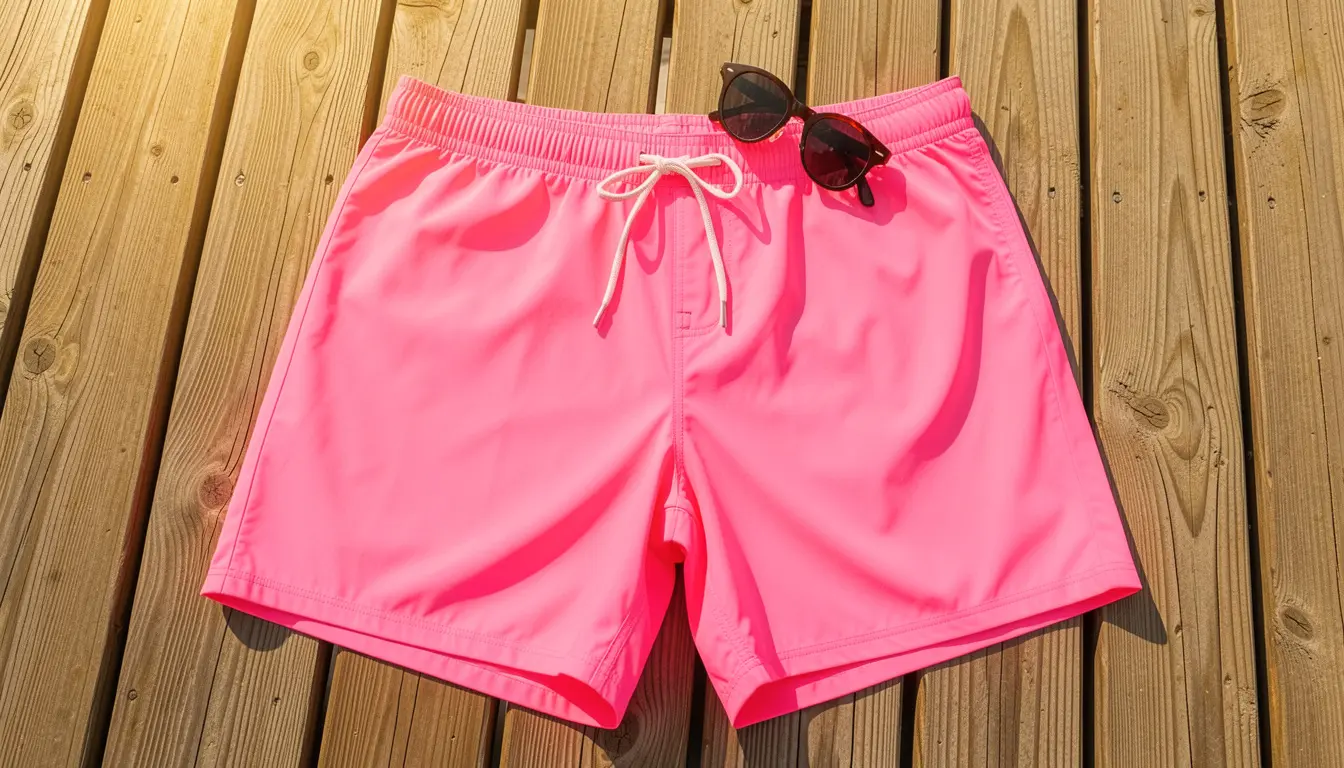
When it comes to enjoying the beach, pool, or summer vacations, choosing the right swim trunks can make a huge difference in comfort, style, and confidence. In 2026, swimwear trends are moving beyond simple designs, with better fits, modern patterns, quick-dry fabrics, and versatile styles that work for different body types and activities. However, not every popular trend is worth following, as some swim trunks can sacrifice comfort or look outdated.
This guide explores the best swim trunks for 2026, highlighting top styles that offer the perfect combination of functionality and fashion, along with the designs you should avoid. Whether you prefer classic, sporty, or trendy beachwear, this complete guide will help you find swim trunks that keep you looking sharp and feeling comfortable all season long.
Why Your Swim Trunks Matter More Than You Think
Most people treat swim trunks as an afterthought. They grab a cheap pair before a vacation and wonder why they feel uncomfortable all day. The fact is, swim trunks are performance gear. They affect how you move in water, how fast you dry off, and even how confident you feel walking on the sand.
According to swimwear industry data, the global swimwear market is worth over $20 billion and growing every year. That means there are thousands of swim trunk options out there, from budget picks to premium athletic designs. Knowing what separates a good pair from a bad one saves you time, money, and frustration.
I have worn swim trunks in cold Atlantic surf, tropical resort pools, and neighborhood lakes. The difference between quality pairs and cheap ones is immediately obvious the moment you put them on. Let me walk you through exactly what to look for.
Types of Swim Trunks: Which Style Is Right for You?
Not all swim trunks are built for the same purpose. Your lifestyle and activities should drive your choice. Here is a breakdown of the main styles you will encounter.
Board Shorts
Board shorts are the most popular type of swim trunks in North America. They typically fall between the knee and mid-thigh. They are designed for surfing and water sports, but many people wear them casually. Board shorts offer great coverage and come in bold prints and patterns. They tend to be longer and looser, which appeals to people who want a relaxed fit.
Volley Shorts
Volley swim trunks are shorter and lightweight. They sit above the knee and dry incredibly fast. These swim trunks work great for active swimmers and people who spend a lot of time in and out of the water. They have a mesh liner built in for support and comfort. If you value mobility, volley-style swim trunks are worth trying.
Hybrid Swim Trunks
Hybrid swim trunks are the most versatile option on the market. They look like regular shorts but perform like athletic swimwear. You can wear them in the water and walk into a casual restaurant or shop afterward without changing. Many travelers love hybrid swim trunks because they eliminate the need to pack separate outfits. They are slightly heavier than volley styles but far more functional for everyday use.
Square Cut and Brief Style Swim Trunks
Square cut and brief style swim trunks are popular in Europe and with competitive swimmers. These swim trunks offer the least coverage but the most freedom of movement. They are not for everyone, but serious swimmers and triathletes often prefer this cut for performance reasons.
The Fabrics That Make Great Swim Trunks
Fabric is the single most important factor in swim trunk quality. The wrong material makes everything worse: longer dry time, discomfort, chafing, and faster wear. Here is what you need to know about the most common swim trunk fabrics.
Polyester
Polyester is the gold standard for swim trunks. It dries quickly, resists fading, and holds its shape even after years of chlorine exposure. Most high-quality swim trunks use a polyester blend. Look for at least 80 percent polyester in the fabric composition. Recycled polyester options are also growing in popularity and are better for the environment.
Nylon
Nylon swim trunks are lightweight and soft against the skin. They dry slightly slower than polyester but offer a comfortable, smooth feel. Many premium swim trunk brands use nylon for their top-tier lines. It stretches well and feels almost silky in the water.
Spandex and Elastane Blends
Most modern swim trunks include a small percentage of spandex or elastane, usually between 5 and 20 percent. This addition gives swim trunks four-way stretch, which means they move with you in every direction. Athletic and active swimmers especially benefit from this kind of flexibility.
What to Avoid
Avoid swim trunks made from 100 percent cotton. Cotton absorbs water and stays wet for a very long time. It also loses its shape after multiple washes. Cotton swim trunks might feel fine on the rack, but they perform poorly in real-world water use. Stick to synthetic fabrics for actual swimming.
How to Get the Right Fit in Swim Trunks
Fit is everything when it comes to swim trunks. A pair that fits badly will ruin your day, whether it is too tight, too baggy, or constantly shifting when you move in the water. Here is how to find the fit that works best for your body and activity.
- Waistband: Look for a drawstring waistband. It lets you customize the fit and keeps your swim trunks secure in rough water or active use.
- Inseam Length: A 7-inch inseam works well for most men. Shorter inseams (5 inches) give more mobility. Longer inseams (9 to 11 inches) offer more coverage.
- Hip and Thigh Room: Your swim trunks should have enough room to sit, squat, and kick without pulling. Too tight means restricted movement and discomfort.
- Liner vs. No Liner: Most swim trunks have a mesh liner. Some people remove it for comfort. If you prefer no liner, look for lined swim trunks with a removable option or liner-free hybrid styles.
Features in Swim Trunks That Are Actually Worth the Extra Cost
Budget swim trunks often skip important features to cut costs. Once you know what to look for, you will see why premium swim trunks justify a higher price tag. Here are the features that genuinely improve your experience.
Quick-Dry Technology
Quick-dry swim trunks use specialized fabric weaves that push moisture away from the body and evaporate it fast. This feature is not just about comfort. Wet swim trunks that take hours to dry can cause skin irritation and even rashes. Quality swim trunks dry in 20 to 30 minutes in typical conditions. That is a massive upgrade over basic cotton styles.
UPF Sun Protection
Many quality swim trunks offer UPF 30 or UPF 50 protection. This blocks harmful UV rays from reaching your skin through the fabric. If you spend long hours in the sun, this feature adds real protective value beyond sunscreen alone. Look for UPF ratings on the product label when shopping.
Secure Pockets
Useful pockets are a huge plus in swim trunks. Look for at least one zippered pocket where you can store a key or a small card. Velcro pockets are also secure but can wear out faster. Open side pockets are convenient but risky for anything valuable in the water.
Salt and Chlorine Resistance
Chlorine degrades most fabrics over time. Some swim trunks are treated to resist chlorine breakdown and saltwater damage. If you swim regularly in pools or the ocean, choosing chlorine-resistant swim trunks extends the life of your gear significantly. Check the product description for this feature before buying.
Best Swim Trunk Brands You Can Trust
The swimwear market has dozens of brands competing for your money. Some deliver excellent swim trunks year after year. Others rely on flashy marketing and disappointing quality. Here are the brands consistently producing reliable swim trunks worth your attention.
- Patagonia: Known for eco-friendly swim trunks made from recycled materials. Excellent durability and performance.
- Quiksilver: A surfing icon that produces reliable board-style swim trunks with great prints and solid construction.
- Speedo: The gold standard for performance swim trunks. Ideal for lap swimmers and competitive athletes.
- Chubbies: Famous for short-inseam swim trunks with fun patterns. Great for casual pool and beach days.
- Vuori: A newer brand producing hybrid swim trunks that transition from water to casual wear seamlessly.
How to Care for Your Swim Trunks So They Last
Even the best swim trunks will fall apart quickly if you treat them poorly. Proper care extends the life of your swim trunks and keeps them looking great season after season. Follow these simple steps.
- Rinse your swim trunks in cold, fresh water immediately after every use. This removes chlorine, salt, and sunscreen that break down fabric over time.
- Hand wash your swim trunks with mild soap when they need a deeper clean. Machine washing on a delicate cycle is acceptable but avoid hot water.
- Never put your swim trunks in the dryer. High heat damages elastic fibers and causes shrinkage. Air dry them flat or hang them in the shade.
- Store your swim trunks in a cool, dry place away from direct sunlight when not in use.
Common Mistakes People Make When Buying Swim Trunks
Shopping for swim trunks sounds simple, but a lot of people repeatedly make the same mistakes. Avoid these pitfalls and you will always end up with swim trunks you actually enjoy wearing.
Buying Based on Looks Alone
A pair of swim trunks might look amazing on a hanger or in a product photo. But if the fabric is wrong or the fit is off, you will regret the purchase immediately. Always check the material composition and size chart before you buy, especially online.
Ignoring the Liner
The mesh liner in most swim trunks is there for a reason. It provides support and prevents chafing. Some people cut out the liner without thinking about the consequences. If you are sensitive to mesh liners, find swim trunks designed without them rather than modifying a pair yourself.
Choosing the Wrong Length
Swim trunk length affects how you look and how you move. Very long swim trunks can make shorter men look stockier and restrict leg movement in the water. Very short swim trunks are not for everyone. Think about your activity and body type when choosing inseam length.
Skipping the Budget Calculation
The cheapest swim trunks rarely offer good value. A $15 pair that falls apart after one summer costs more in the long run than a $60 pair that lasts five years. Quality swim trunks are an investment. Spend a little more once and avoid replacing cheap ones every season.
Swim Trunks for Kids: What Parents Should Know
Shopping for kids’ swim trunks comes with its own set of considerations. Children are active in the water, and their swim trunks need to keep up with that energy while staying comfortable and safe.
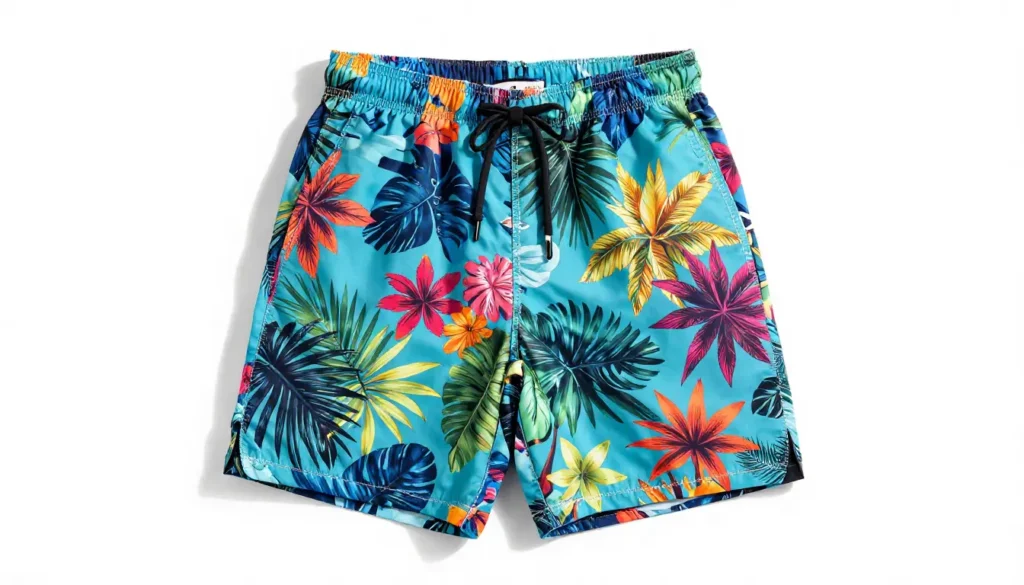
Look for kids’ swim trunks with UPF 50 protection since children’s skin is more sensitive to UV damage. Elastic waistbands without drawstrings are safer for young kids. Bright colors and fun prints make swim trunks exciting for children and also make them easier to spot in a crowded pool or beach area.
Rash guard tops paired with swim trunks provide extra sun coverage for active kids. Many brands now sell matching sets that make getting children ready for the water much easier.
The Best Swim Trunks for Travel and Packing Light
If you travel frequently, your swim trunks need to do double duty. The best travel swim trunks are lightweight, compact, and versatile enough to wear in and out of the water. Here is what to prioritize when packing.
- Choose hybrid swim trunks you can wear casually. This eliminates the need to pack separate shorts for day trips and sightseeing.
- Go for neutral or versatile colors in your swim trunks. Navy, olive, and gray are easy to pair with most vacation outfits.
- Pack swim trunks in a dry bag to keep the rest of your luggage dry after a beach day.
- Bring at least two pairs of swim trunks so you always have a dry option ready.
Final Thoughts on Choosing the Right Swim Trunks
The right pair of swim trunks makes every water experience better. You feel more comfortable, move more freely, and look great without trying too hard. Getting it right is simply a matter of knowing what to look for.
Focus on fabric first. Polyester and nylon swim trunks outperform cotton in almost every way. Then consider your style preference and activity level. Match the type of swim trunks to how you actually plan to use them. Board shorts for casual beach days, volley swim trunks for active swimming, and hybrid swim trunks for travel and versatility.
Invest in quality swim trunks from a reputable brand. Take care of them properly and they will reward you with years of reliable use. Never settle for swim trunks that make you uncomfortable or hold you back in the water.
What style of swim trunks has worked best for you? Have you found a brand or feature that made a real difference? Drop your thoughts in the comments or share this guide with a friend who is still wearing the wrong swim trunks.
FAQs About Swim Trunks
1. How should swim trunks fit?
Swim trunks should fit comfortably around the waist with a secure drawstring. They should not be so tight that they restrict movement or so loose that they fall down in the water. The ideal inseam length depends on your height and personal preference, but 7 inches works well for most people.
2. Can I wear swim trunks as regular shorts?
Hybrid swim trunks are designed to be worn as regular shorts. Board shorts and volley-style swim trunks can also pass as casual wear in beach towns or relaxed settings. Look for swim trunks without a mesh liner if you plan to wear them outside the water regularly.
3. What is the best fabric for swim trunks?
Polyester is the best fabric for swim trunks. It dries fast, resists chlorine and salt damage, and holds its shape well. A blend of polyester and spandex gives you durability plus stretch, which is ideal for active use in the water.
4. How long should swim trunks last?
With proper care, quality swim trunks should last three to five years. If you swim daily, expect closer to two years before you notice significant wear. Always rinse your swim trunks in fresh water after each use to extend their lifespan.
5. Should swim trunks have a liner?
Most swim trunks include a mesh liner for support. Whether you need one depends on your preference. Liners provide coverage and prevent chafing. If you find liners uncomfortable, look for liner-free designs rather than removing the liner yourself.
6. How do I stop swim trunks from riding up?
Swim trunks ride up when they are too loose or cut too short for your body type. Choose swim trunks with the right inseam for your height and make sure the waist fits snugly. A longer inseam typically solves the problem for most people.
7. Are expensive swim trunks worth it?
Yes. Premium swim trunks use better fabrics, last longer, and perform noticeably better than budget options. Paying $50 to $80 for quality swim trunks that last five years is better value than replacing $15 pairs every season.
8. Can I machine wash my swim trunks?
You can machine wash swim trunks on a gentle cycle with cold water. However, hand washing is gentler and preserves the fabric longer. Never use hot water or a dryer on your swim trunks as heat breaks down elastic and synthetic fibers.
9. What length swim trunks look best?
Swim trunks that end just above or at the knee look clean and proportional on most body types. Shorter inseams around 5 inches look great on taller men and give a more athletic look. Longer swim trunks work better for casual use than active swimming.
10. How many pairs of swim trunks do I need?
Two to three pairs of swim trunks is ideal for most people. Having multiple pairs means you always have a dry option ready and reduces wear on any single pair. For frequent swimmers or travelers, three pairs gives you enough rotation for comfortable use.
About the Author
Johan Harwen is a lifestyle and outdoor gear writer with over eight years of experience testing and reviewing swimwear, sportswear, and travel essentials. He has written for leading men’s lifestyle publications and is passionate about helping everyday people make smarter buying decisions. When he is not writing, Jake is usually at the beach testing the latest in swim trunk technology firsthand.
Also read asukaevangelion.com
Email: johanharwen314@gmail.com
Author Name: Johan Harwen