The Fate Anime Watch Order franchise has grown from a single visual novel into one of the largest anime universes in existence, and that’s exactly why so many new viewers get stuck before they even start. Between three overlapping Fate/stay night adaptations, a prequel, a mobile game turned anime, and a stack of spinoffs, it’s easy to open a streaming app and have no idea what to click first.
This guide lays out a clear, accurate fate anime watch order — covering release order, story/timeline order, and a practical beginner path — along with a straightforward explanation of how the pieces fit together.
What Is the Fate Series About?
Short answer: The Fate series centers on the Holy Grail War, a secret battle royale where magi known as Masters summon legendary heroes, called Servants, to fight for a wish-granting artifact called the Holy Grail.
The franchise originated with Fate/stay night, a Japanese visual novel developed by Type-Moon and written primarily by Kinoko Nasu, released in 2004. The original visual novel contains three branching storylines, known as routes — Fate, Unlimited Blade Works, and Heaven’s Feel — each following the same protagonist, Shirou Emiya, through a different version of the same Holy Grail War, with different outcomes depending on which heroine’s arc the story follows.
Since then, the franchise has expanded into prequels, sequels, and spinoffs produced across multiple studios, including ufotable, Studio Deen, and A-1 Pictures, with Aniplex handling production and distribution for most entries.
Fate anime Watch Order: Release Order vs. Story Order
Short answer: Release order and story order (chronological order) are different in the Fate franchise, and most fans recommend a hybrid approach rather than strictly following either one.
| Order Type | Best For | Downside |
|---|---|---|
| Release order | Matching animation and storytelling improvements as the franchise matured | Some prequels spoil later reveals |
| Chronological/story order | Seeing events unfold in the order they happen in-universe | Starts with weaker pacing and animation for newcomers |
| Recommended hybrid order | Balances story impact with production quality | Requires a bit more explanation upfront |
Because Fate/Zero was produced after the original Fate/stay night (2006) anime but tells a story that happens before it, purely chronological viewing isn’t automatically the best introduction. Most seasoned fans and long-running community threads on this topic land on a similar hybrid recommendation, which is what this guide follows.
Where Should You Start Watching Fate?
Short answer: Most fans and community consensus recommend starting with Fate/Zero, then moving into the Fate/stay night: Unlimited Blade Works anime, followed by the Heaven’s Feel film trilogy.
This starting point works well because Fate/Zero was produced by ufotable with strong production values, introduces the Holy Grail War concept clearly, and sets up characters and stakes that pay off later. Unlimited Blade Works then continues directly into the “present day” timeline with the same visual quality, making the transition smooth. The original 2006 Fate/stay night anime, produced by Studio Deen, is generally treated as optional or for franchise completionists, since its animation and pacing haven’t aged as well as the later ufotable adaptations.
The Complete Fate/stay night Watch Order
Fate/stay night (2006): Where It Fits in the Series
Short answer: Fate/stay night (2006) is the original TV anime adaptation, produced by Studio Deen, and it loosely adapts the Fate route with elements of the other two routes blended in.
Because this adaptation predates the visual novel’s later routes being animated separately, it compresses story elements in a way that can feel inconsistent to viewers who later watch Unlimited Blade Works or Heaven’s Feel. It’s historically important to the franchise’s origin, but most modern watch-order guides treat it as skippable for first-time viewers, with the option to circle back for context afterward.
Fate/Zero: The Prequel to Fate/stay night
Short answer: Fate/Zero is a prequel that covers the Fourth Holy Grail War, ten years before the events of Fate/stay night, and follows Kiritsugu Emiya — Shirou’s adoptive father — as a Master.
Produced by ufotable and written by Gen Urobuchi (adapting Nasu’s original novel), Fate/Zero is widely regarded as one of the strongest entry points into the franchise. It introduces Servants such as Saber, Rider (Alexander the Great), and other Heroic Spirits well before the main Fate/stay night storyline, and its darker, more morally complex tone has made it a favorite among both newcomers and longtime fans.
Fate/stay night: Unlimited Blade Works
Short answer: Unlimited Blade Works is the ufotable-produced adaptation of the second visual novel route, focusing on Shirou’s relationship with Rin Tohsaka and his conflict with the Servant Archer.
This two-season anime (2014–2015) is often the recommended jumping-in point for viewers who want to skip the 2006 original. It follows the Fifth Holy Grail War, reintroduces Saber as Shirou’s Servant, and deepens the mystery around Archer’s true identity — one of the franchise’s most memorable twists.
Fate/stay night: Heaven’s Feel Trilogy
Short answer: Heaven’s Feel is a three-part film series (released 2017–2020) that adapts the visual novel’s final and darkest route, centered on Sakura Matou.
This trilogy is generally considered the emotional and narrative peak of the original Fate/stay night story. It’s best watched after Unlimited Blade Works, since it assumes familiarity with the setting, the Holy Grail War’s mechanics, and characters like Rin and Archer introduced earlier.
The Three Fate/stay night Routes Explained
For readers coming from the original visual novel rather than the anime, it helps to understand how the three routes relate:
- Fate route – Focuses on Shirou and Saber; the introductory storyline.
- Unlimited Blade Works route – Focuses on Shirou and Rin; explores Archer’s identity and Shirou’s ideals.
- Heaven’s Feel route – Focuses on Shirou and Sakura; the darkest and most conclusive storyline.
Each route re-tells the Fifth Holy Grail War from a different emotional angle, which is why the anime adaptations can feel like separate stories despite sharing the same setting and starting point.
Fate Anime Spinoffs You Can Watch After the Main Series
Once you’ve finished the core Fate/stay night arc and Fate/Zero, several spinoffs expand the universe further:
- Fate/kaleid liner Prisma Illya – A lighter, more comedic alternate-universe spinoff focused on Illyasviel von Einzbern, tonally very different from the main series.
- Carnival Phantasm – A short comedy series parodying characters across the Fate/stay night and Tsukihime universes; best watched after you’re already familiar with the cast.
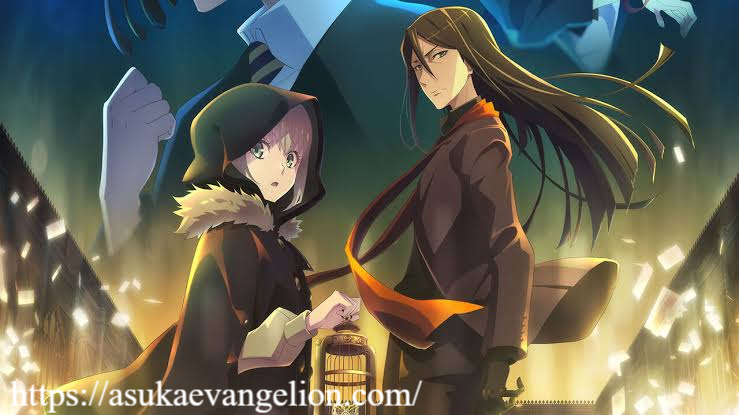
- Lord El-Melloi II Case Files – A mystery-focused spinoff following Waver Velvet (later known as Lord El-Melloi II), a supporting character from Fate/Zero, making it a natural watch after that series.
- Fate/Apocrypha – Set in an alternate timeline where the Holy Grail War takes place as a large-scale conflict between two factions of seven Servants each, rather than the usual one-on-one style war.
- Fate/strange Fake – A newer entry adapting Ryohgo Narita’s light novel spinoff, relocating the Holy Grail War concept to the American city of Snowfield with an intentionally “imperfect” grail system that produces unstable Servant summons. Produced by A-1 Pictures, the TV series aired its full 13-episode run from January 3 to March 28, 2026, following an earlier “Whispers of Dawn” preview special.
These spinoffs generally don’t require strict placement in the main chronological order and can be watched based on personal interest once you understand the core setting.
Fate/Grand Order and Other Fate Series Explained
Short answer: Fate/Grand Order is a mobile gacha game and its own anime adaptation, set well after the events of Fate/stay night, and it functions as a separate entry point rather than a direct continuation.
Fate/Grand Order follows a different Holy Grail War-adjacent premise involving Masters traveling across historical eras (called “Singularities”) to prevent human history’s destruction. Its most notable anime adaptations include:
sourecs: otakuani.com
- Fate/Grand Order: First Order – A one-episode special introducing the game’s setup and protagonist.
- Fate/Grand Order Absolute Demonic Front: Babylonia – A full TV series adapting one of the game’s most acclaimed story arcs, featuring Servants like Gilgamesh and Jeanne d’Arc in a new context.
Because Fate/Grand Order references characters and events from across the franchise, many fans recommend having at least some familiarity with Fate/Zero and Fate/stay night before diving in, even though the game itself doesn’t strictly require it.
Recommended Fate Watch Order for Beginners
For most new viewers, this order balances accessibility, story impact, and production quality:
- Fate/Zero (Seasons 1–2)
- Fate/stay night: Unlimited Blade Works (Seasons 1–2)
- Fate/stay night: Heaven’s Feel (Films 1–3)
- Fate/stay night (2006) — optional, for historical context
- Fate/Grand Order: First Order → Babylonia
- Spinoffs based on interest: Fate/Apocrypha, Fate/kaleid liner Prisma Illya, Lord El-Melloi II Case Files, Fate/strange Fake, Carnival Phantasm
The Shortest Fate Watch Order
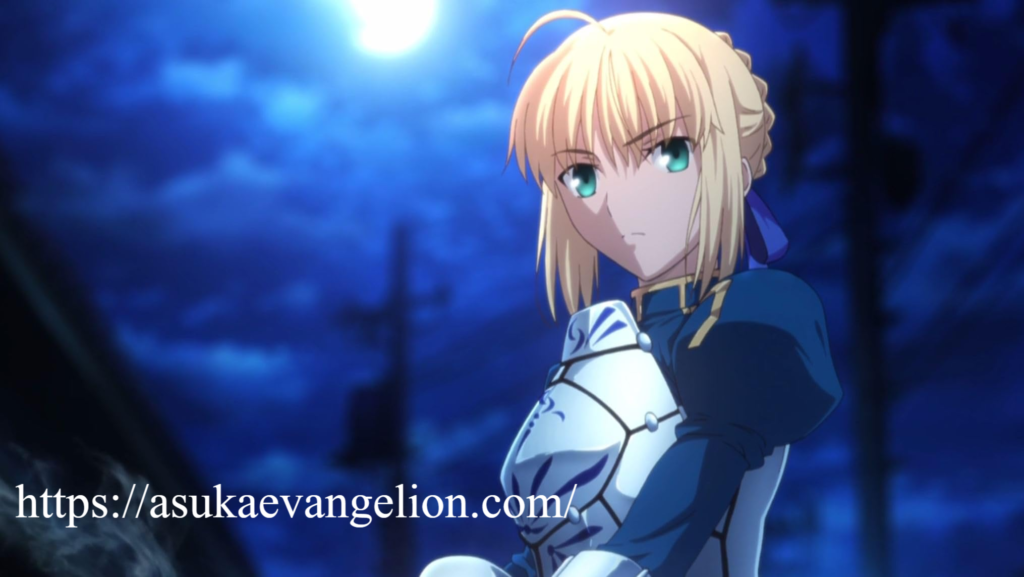
Short answer: If you only want the essential story, watch Fate/Zero, then Fate/stay night: Unlimited Blade Works, then the Heaven’s Feel trilogy — this covers the franchise’s core narrative arc in roughly 60 episodes and three films.
This shortened path skips the original 2006 series and every spinoff, focusing purely on the ufotable-produced core story that most modern fans consider the definitive version of the Fate/stay night narrative.
Custom FAQ Section
What is the correct Fate series watch order?
The most commonly recommended Fate series watch order starts with Fate/Zero as a prequel, followed by Fate/stay night: Unlimited Blade Works, and then the Heaven’s Feel film trilogy. From there, viewers typically move into Fate/Grand Order: Babylonia and choose spinoffs like Fate/Apocrypha or Fate/kaleid liner Prisma Illya based on personal interest, since those don’t require strict placement in the main sequence.
What is the Fate/Grand Order watch order?
Within Fate/Grand Order specifically, the recommended order is Fate/Grand Order: First Order (a short introductory special) followed by Fate/Grand Order Absolute Demonic Front: Babylonia, which adapts one of the game’s major story arcs. Watching the core Fate/stay night and Fate/Zero anime beforehand isn’t required but adds helpful context, since Fate/Grand Order draws on characters and lore from across the franchise.
Has the Fate series watch order changed for 2026?
The core recommended order hasn’t changed, but the franchise has grown: Fate/strange Fake completed its full 13-episode television run from January 3 to March 28, 2026, produced by A-1 Pictures. As a spinoff set in a separate Holy Grail War in the American city of Snowfield, it’s best treated as an optional addition once you’re familiar with the main Fate/stay night story and its Holy Grail War mechanics.
What does the Fate series watch order look like according to fan communities?
Long-running anime discussion communities, including Reddit’s r/Fate/stay night and r/anime threads, tend to converge on a similar hybrid order: Fate/Zero first, followed by Unlimited Blade Works, then Heaven’s Feel, with the original 2006 series treated as optional. Opinions vary more on where to place Fate/Grand Order and the various spinoffs, since those largely depend on personal interest rather than story necessity.
What is the Fate anime release order?
In actual release order, the franchise began with Fate/stay night (2006, Studio Deen), followed by Carnival Phantasm (2011), Fate/Zero (2011–2012, ufotable), Fate/kaleid liner Prisma Illya (2013), Fate/stay night: Unlimited Blade Works (2014–2015), Fate/Apocrypha (2017), Fate/stay night: Heaven’s Feel (2017–2020), Fate/Grand Order: First Order (2016) and Babylonia (2019–2020), Lord El-Melloi II Case Files (2019), and Fate/strange Fake (2024 preview special, full series January–March 2026).
4. FAQ Schema (JSON-LD)
5. Important Entities Mentioned
- Type-Moon
- Kinoko Nasu
- Gen Urobuchi
- Ryohgo Narita
- ufotable
- Studio Deen
- A-1 Pictures
- Aniplex
- Shirou Emiya
- Rin Tohsaka
- Sakura Matou
- Saber
- Archer
- Gilgamesh
- Kiritsugu Emiya
- Rider (Alexander the Great)
- Jeanne d’Arc
- Waver Velvet / Lord El-Melloi II
- Fate/stay night
- Fate/Zero
- Fate/Grand Order
- Fate/Apocrypha
- Fate/kaleid liner Prisma Illya
- Fate/strange Fake
- Carnival Phantasm
6. Suggested Featured Image Idea
A clean, editorial-style graphic showing a stylized timeline or roadmap with iconic Fate-series silhouettes (a knight with a sword, a red-armored archer, a golden-armored figure) positioned along a path from “prequel” to “sequel,” using a dark navy-and-gold color palette reminiscent of the franchise’s aesthetic avoid using official character artwork, logos, or any copyrighted stills to keep the image fully original.
AlsoRecl